empowering asylum seekers through co-design & digital manufacturing; fostering creativity, dialogue & mutual support
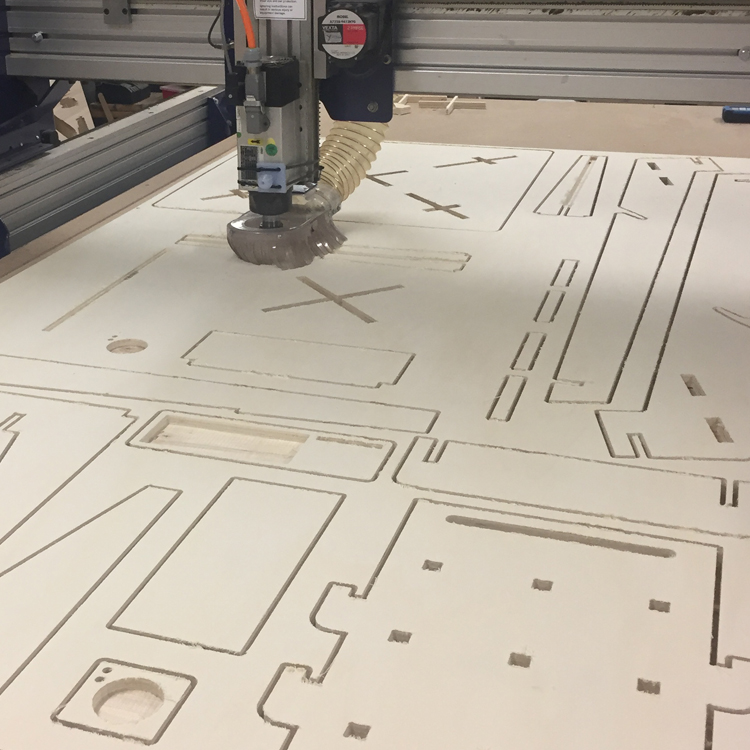
In a world where refugees and asylum seekers are often unfairly marginalised and isolated, the Plywood with Soul project run by Liverpool Social Enterprise We Make Places, has sought to provide a space for these individuals to share their stories, culture, and daily rituals. Through a process of co-design and digital manufacturing, we have transformed a humble sheet of plywood into objects and furniture with personal meaning and value.
Working alongside Asylum Link Merseyside and with freelancer Kazem Ashourzadeh (as translator and chef, providing authentic Persian cuisine via his social enterprise Mr Boy Food), we invited a group of refugees and asylum seekers to participate in the project. Our goal was to explore how conversations and collective design and making can be useful tools for exploring issues of identity, welcome, and belonging.
Starting with a single sheet of plywood as our material, we worked with Fadi and Foad to delve into their individual daily rituals and how these could lead to ideas for personal objects or furniture. Through a process of co-design, we manufactured prototypes of the objects before the participants returned for further sessions assembling and personalizing their objects through painting and varnishing.
The pieces produced during the project were recently displayed in a section of the We Will Design exhibition curated by Manchester School of Art during the Milan Design Week (visited by over 11,000 people). The participants are now developing their objects further and will keep them as a tangible reminder of the skills they have gained, the friendships they have formed, and the space that was created for them to tell and share their stories and culture.
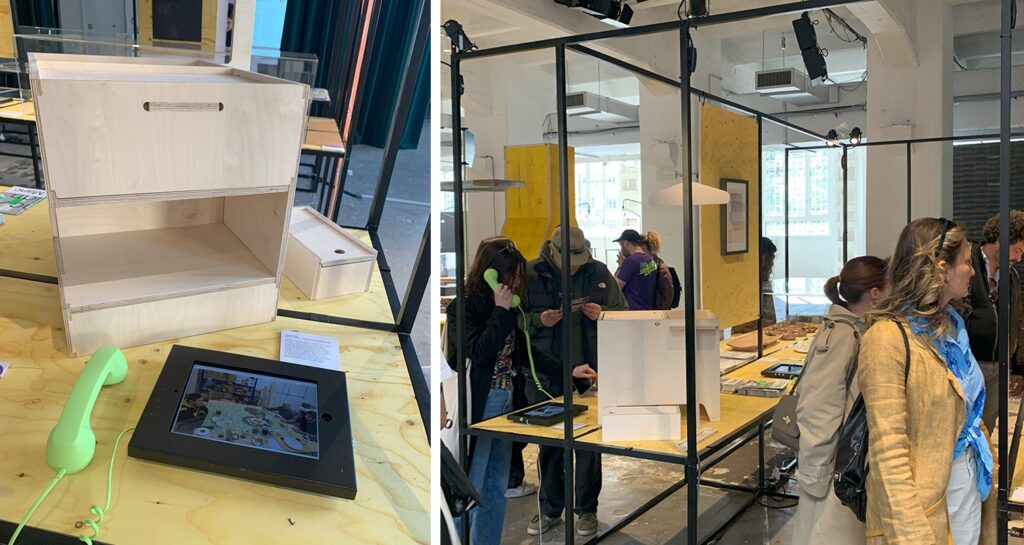
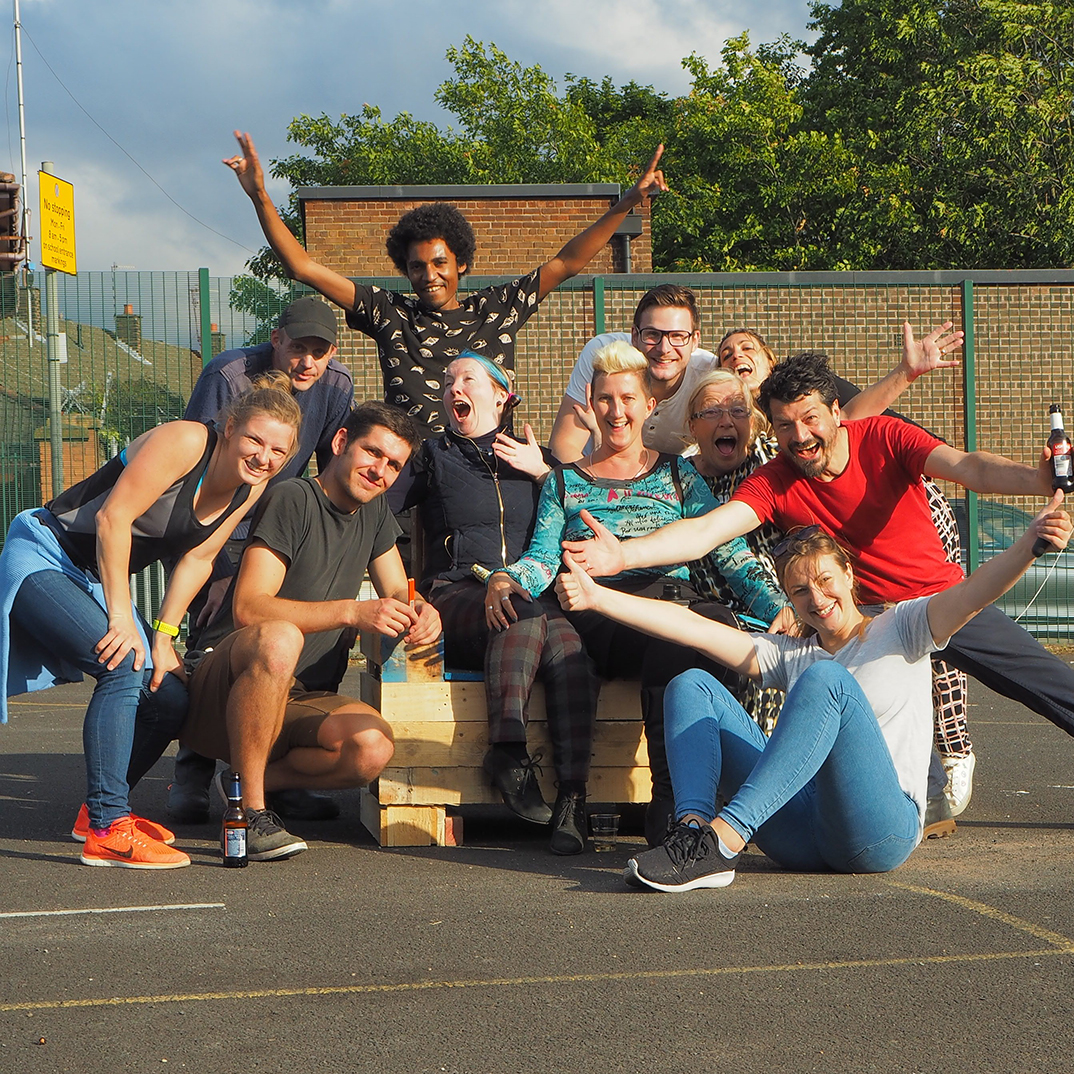
One of the key intentions of the Plywood with Soul project was to raise public awareness around issues affecting refugees and asylum seekers. By showcasing the work produced during the project and sharing the photos and anecdotes, we hope to demonstrate the power of collective design and making as a means of empowerment and self-expression.
We Make Places hope that these sessions will be the start of a longer-term collaboration and joyful engagement with unfairly marginalised and isolated people within our city and are seeking funding to continue the project. These first sessions have shown how successful the approach is at creating a community of shared values and purpose, using design and making as a means of fostering creativity, communication, and mutual support.
Looking to the future, we have ideas regarding some commercialisation of the work/products, which we hope could support future projects too. By developing a sustainable business model, we believe that we can continue to empower refugee voices through design, while also creating economic opportunities and promoting the value of craft and creativity.
The Plywood with Soul project has been a deeply meaningful and transformative experience for all involved. Through the power of design and making, we have created a space for people to come together, share their stories, and co-create objects and furniture with personal meaning and value. We hope that this project can serve as a model for future initiatives, demonstrating the potential of design and making to promote social inclusion, cultural exchange, and empowerment